IDEAS applauds NACP’s forward-looking initiatives, calls for political will to deliver meaningful progress
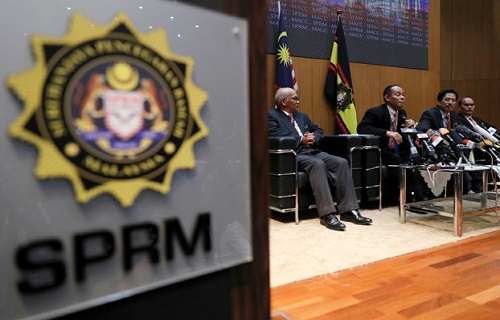
Kuala Lumpur, 30 January 2019-The National Anti-Corruption Plan (NACP) launched yesterday presents an honest, hard-hitting and forward-looking strategy for Malaysia to combat corruption in the next five years. The government should be applauded for acknowledging the core problems that surround efforts to tackle corruption. The Prime Minister, in his speech during the launch, emphasised that political interference in government administration and finances as one of the key causes of rampant corruption, which echoes the NACP’s identification of “political governance” as the first Risk Area. Another key highlight from the NACP is the declaration that Procurement is the sector most prone to corruption, at 42.8%.
The recognition of these two elements – political interference and procurement – is a positive step in seriously combatting corruption at its very core. “It takes a great deal of maturity for the PH government to admit that political interference in government processes has been one of the core causes of corruption in the country. If we did not have a change in government on May 9th, this self-reflection would not have been possible, and the willingness to reform will remain elusive. In relation to that, the revelation about procurement being the main sector prone to corruption also points to a larger debate about the need to re-examine practices of patronage, cronyism and conflicts of interest in government projects.” Aira Azhari, Senior Executive in Democracy and Governance comments.
One of the initiatives in the NACP is to introduce “legislation on public procurement in regulating the procurement activities, improving efficiency resource utilisation, safeguarding public and national interest as well as protecting the rights of contracting parties.” Considering that the procurement ecosystem in Malaysia is already governed by a slew of legislation, directives and instructions, we must ensure that this new legislation will add value to further improve the current system. Aira comments, “the introduction of new legislation is commendable, but I am more interested in the NACP’s initiatives to enhance transparency, accountability and reduce political interference in government’s decision-making. Of particular importance are policies to refrain political interference in the appointments of the senior management in GLCs, serious reforms in public services and Parliament, as well as the legal and judicial system.”
Meaningful anti-corruption initiatives entails measures that go beyond just legislation and top-down instructions and policies. Malaysia’s experience in the last 60 years has proven that without a significant shift in the entire political culture, recommendations on paper will not go very far. Another important component of combatting corruption is also educating the general public about the roles of their elected representatives. The extensive usage of money to win votes is exacerbated by expectations from voters to receive financial rewards in exchange for political support. This practice must be curtailed through a sustained public education programme, which is covered as well in the NACP. This is a positive sign and there will hopefully be strong political will to implement these plans.

